Sinus bradycardia is a condition characterized by a reduction of the sinus heart rate to less than 50 beats per minute (bpm). Although it can be a physiological variant in some people, especially athletes or during sleep, in other situations it may indicate significant sinus node dysfunction, known as sinus node disease.
Causes of Sinus Bradycardia
The causes of sinus bradycardia can be divided into physiological and pathological:
- Physiological:
- Intense physical activity: athletes develop sinus bradycardia due to cardiac adaptations that increase the heart's efficiency.
- Rest and sleep: during sleep, the parasympathetic nervous system predominates, lowering the heart rate.
- Pathological:
- Sinus node dysfunction (SND): commonly related to fibrosis or degeneration of the nodal tissue.
- Medications: beta-blockers, calcium channel blockers (non-dihydropyridines), amiodarone, and other antiarrhythmics can lower the heart rate.
- Metabolic and endocrine disorders: such as hypothyroidism, hyperkalemia, and hypothermia.
- Ischemia and infarction: reduced blood flow to the sinus node can impair its function.
- Neurally mediated disorders: conditions such as vasovagal syncope or increased vagal tone in stressful situations can trigger sinus bradycardia.
Pathophysiology of Sinus Bradycardia
Sinus bradycardia results from increased vagal (parasympathetic) tone or from primary dysfunction of the sinus node itself. The sinus node is the heart's main pacemaker, responsible for initiating the electrical impulse that regulates the heartbeat. When its function is impaired, the generation of electrical impulses decreases, leading to a lower heart rate.
In sinus node disease (SND), structural and functional changes, such as fibrosis or inflammation, affect the node's ability to generate and conduct impulses properly. This condition, associated with structural heart disease or degenerative processes, can result in severe bradycardia, sinus pauses, or episodes of sinoatrial block, with a direct impact on perfusion and, therefore, on the patient's hemodynamics.
Electrocardiographic Criteria
The main electrocardiographic criteria for the diagnosis of sinus bradycardia include:
- Heart rate below 50 bpm: measured at rest, in a regular rhythm.
- Normal P waves: indicating origin in the sinus node, with a P-wave axis that is positive in I, II, and aVF and negative in aVR.
- Constant PR interval: without significant variation, indicating regular atrioventricular conduction.
These findings are typical of normal sinus bradycardia. However, in sinus node disease, sinus pauses, sinoatrial blocks, or bradycardia-tachycardia episodes may be seen, indicating more severe sinus node dysfunction.
Sinus Node Disease (SND)
Sinus node disease encompasses a variety of disorders that affect sinus node function. It is more common in older adults and may result from a combination of factors such as fibrosis, ischemia, and degenerative changes. The main types of dysfunction include:
- Persistent sinus bradycardia: a continuously low heart rate, which may lead to symptoms of low cardiac output.
- Sinus arrest and sinoatrial block: interruption or delay in impulse conduction, causing pauses in the cardiac rhythm.
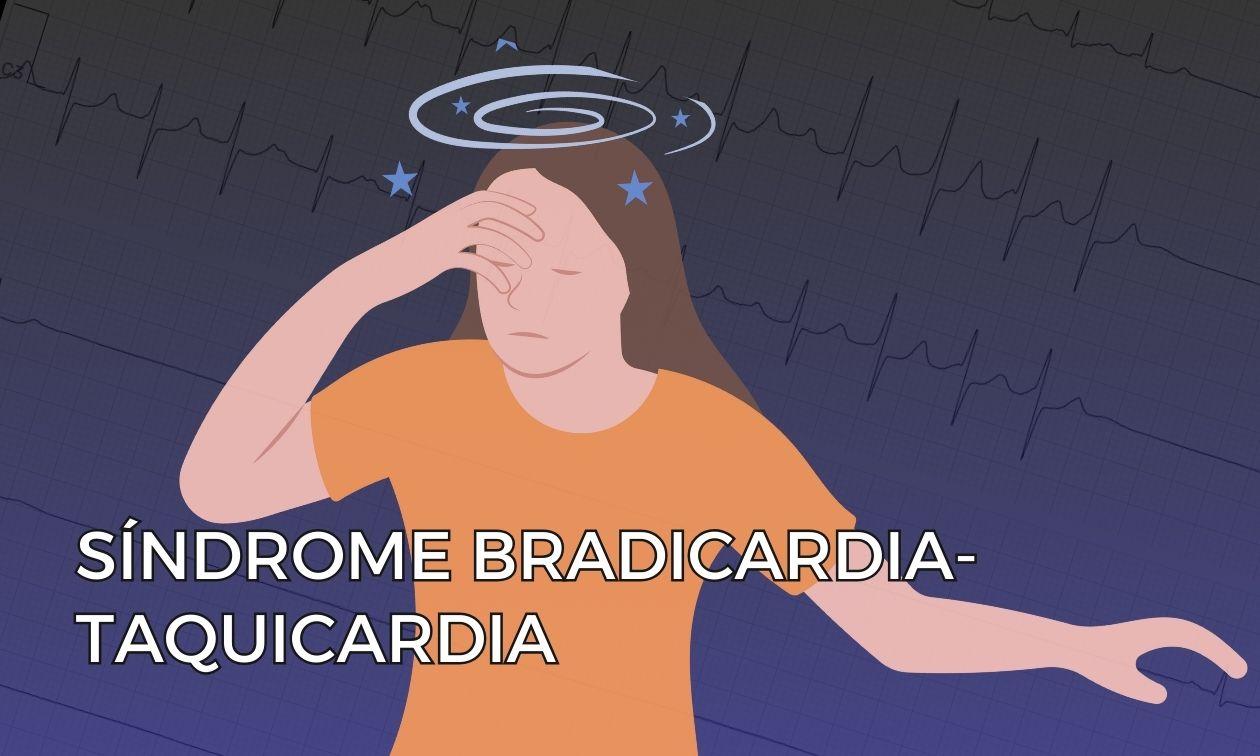
- Bradycardia-tachycardia syndrome: alternation between bradycardia and episodes of atrial tachycardia or atrial fibrillation, a common picture in SND.
Patients with SND may present with symptoms such as fatigue, dizziness, syncope, and, in severe cases, heart failure. Treatment often includes a permanent pacemaker, especially in symptomatic patients or those with prolonged pauses that compromise cerebral and cardiac perfusion.
Clinical Considerations and Treatment
Sinus bradycardia may be asymptomatic or cause symptoms related to reduced cardiac output, such as dizziness, fatigue, and syncope. The clinical approach depends on the underlying cause and the patient's symptoms:
- Asymptomatic: generally no specific treatment is required, especially in physiological bradycardia (as in athletes).
- Symptomatic: when symptoms are present, it is essential to identify the cause. Discontinuing rate-slowing medications or treating underlying conditions, such as hypothyroidism, may be necessary.
- Sinus node disease: in SND with symptoms of low output, pacemaker implantation may be indicated to maintain a stable heart rate and prevent syncope or severe bradyarrhythmias.
Conclusion
Sinus bradycardia is a disorder that can range from a physiological condition to a manifestation of sinus node disease. Understanding its causes, electrocardiographic criteria, and pathophysiology is essential for proper diagnosis and management. In patients with SND and symptomatic bradycardia, pacemaker therapy is often the most effective solution to relieve symptoms and prevent serious events, ensuring a better quality of life for these patients.
References
- Scheffer MK, De Marchi MFN, de Alencar Neto JN, Felicioni SP. Eletrocardiograma de A a Z. São Paulo: Manole, 2024.
- Alencar JN. Tratado de ECG. 2022.