

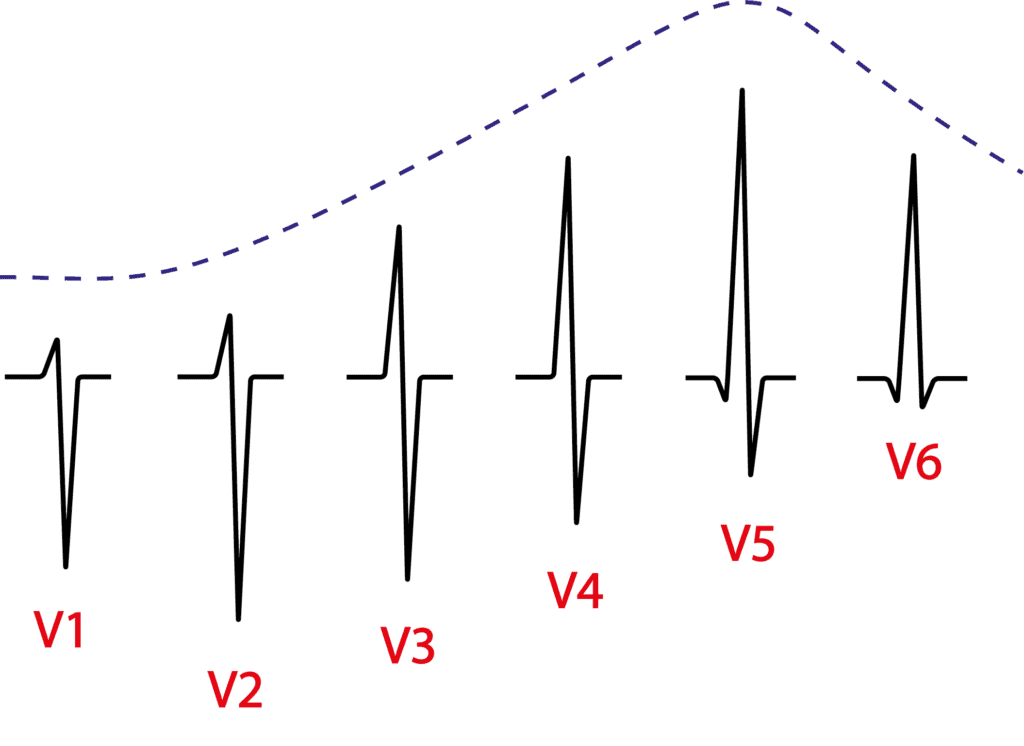
Poor R-wave progression (PRWP) and reversed R-wave progression (RRWP) have been observed on electrocardiograms (ECGs) since the 1970s and are often associated with fibrosis of the anterior wall of the heart. However, the interpretation of these findings is still a matter of debate and inconsistency in the medical literature. The traditional theory suggests that anterior myocardial necrosis reduces the electromotive force in the horizontal plane, reflected on the ECG by smaller R waves in the precordial leads. Despite its wide acceptance, the scientific basis supporting the diagnostic importance of PRWP/RRWP is weak and lacks robust evidence.
Literature Review
Our team carried out a detailed review of the literature on PRWP and RRWP to clarify the diagnostic value of these signs and assess the consistency of the available evidence. The study revealed a significant shortage of data and methodological inconsistencies in existing studies. We identified only 20 relevant studies, none of which met the high-quality criteria needed to confirm whether PRWP or RRWP truly indicate fibrosis or old infarction of the anterior wall.
Critical Analysis
The results of our review show a striking discrepancy between current clinical practice and the available scientific evidence. The lack of high-quality studies and the variation in definitions and criteria for PRWP/RRWP suggest a high potential for bias. Although recent guidelines have begun to disregard PRWP, the absence of a solid evidence base and the variability in definitions point to an urgent need for a critical reassessment of the use of these markers in diagnosing coronary disease.
Conclusions and Future Directions
Our review revealed significant gaps in knowledge about PRWP and RRWP, especially in the setting of old anterior wall infarction. The lack of rigorous studies and methodological inconsistency call into question the usefulness of these markers as reliable diagnostic indicators of coronary disease. New well-designed studies are clearly needed, particularly to validate the PRWP/RRWP criteria and explore their clinical applicability in a more uniform way. Until such evidence is available, PRWP/RRWP should be interpreted with caution and not used as a stand-alone diagnosis of anterior infarction without a robust scientific basis.
Learn More
In our ECG Library you will find a summary on electrically inactive areas and QRS fragmentation, signs associated with myocardial fibrosis.
References
- de Alencar JN, Amorim EF, Scheffer MK, Felicioni SP, De Marchi MFN. Poor evidence for poor R wave progression in coronary disease: A scoping review. J Electrocardiol. 2024;84(500):145–50.