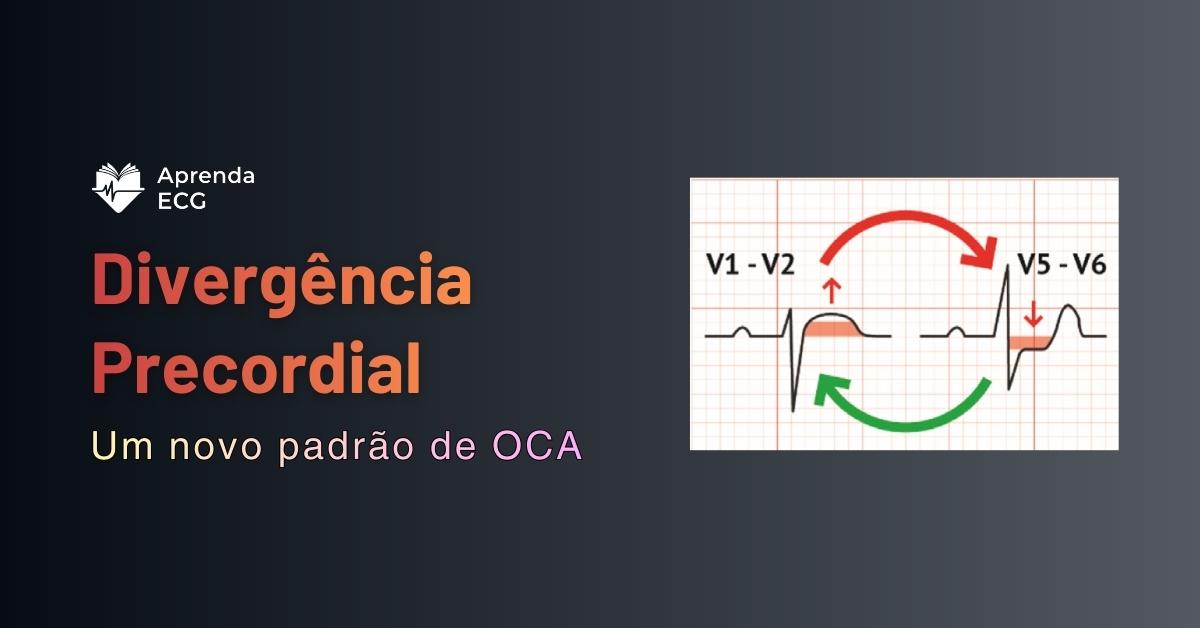
ST-segment depression is characterized by displacement of this segment below the baseline on the electrocardiogram (ECG). It may be horizontal, downsloping or upsloping; the first two are frequently associated with subendocardial myocardial ischemia, especially in settings such as unstable angina or non-ST-elevation myocardial infarction (NSTEMI). Upsloping ST depression, on the other hand, can occur in benign conditions such as sinus tachycardia.
In the clinical context, its location, extent and morphology should be analyzed together with the patient's symptoms and other ECG findings, such as ST elevation in opposite leads, which may indicate transmural infarction. Clinical correlation and complementary tests are essential to establish the diagnosis and guide management.
Electrocardiographic Criteria
- ST-segment depression ≥ 0.5 mm in two contiguous leads is suggestive of myocardial ischemia
ECG in ST-Segment Depression
Coming soon…
Related Topics
References
- Thygesen K, Alpert JS, Jaffe AS, Chaitman BR, et al. Fourth universal definition of myocardial infarction (2018). Eur Heart J. 2018;40(3):237–69.