“Holiday heart syndrome” is a term that sparks curiosity: how can holiday celebrations affect the heart? In this article, we explore how excessive alcohol consumption during the end-of-year holidays can trigger atrial fibrillation and other cardiac complications, as well as strategies for preventing and managing these conditions.
What Is Holiday Heart Syndrome?
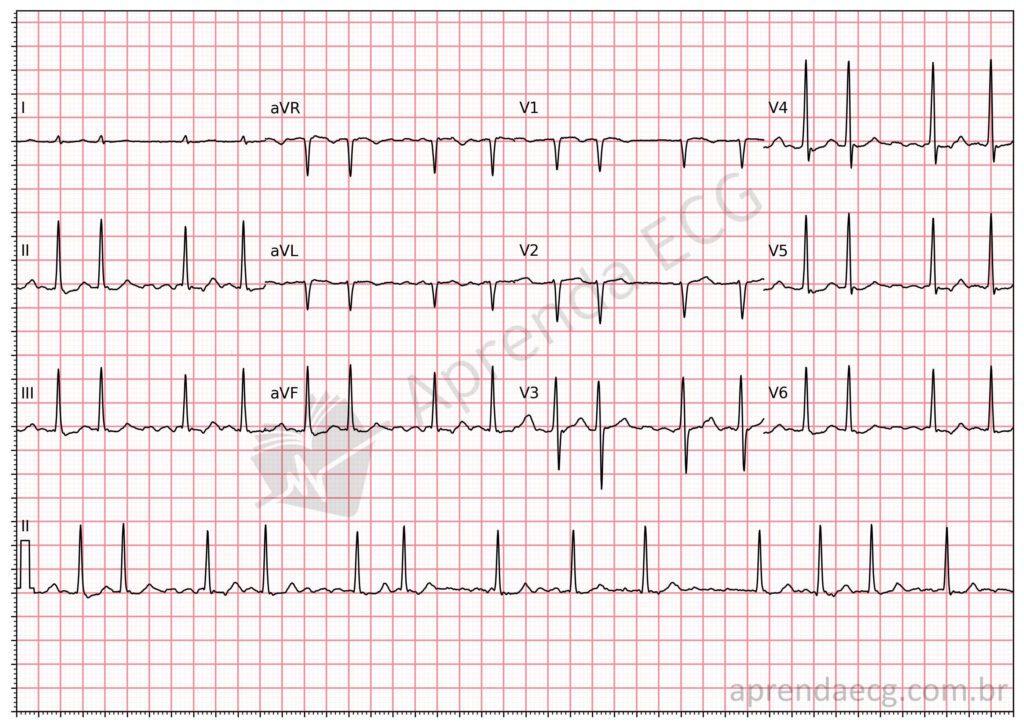
“Holiday heart syndrome” is characterized by atrial fibrillation in previously healthy individuals, usually after a period of heavy alcohol intake. It was first described in the 1970s and is still seen in patients who drink heavily on special occasions, such as end-of-year holidays, long weekends, and social events. The term “holiday heart” reflects the association between holiday drinking and an increased risk of cardiac arrhythmias.
Effects of Alcohol on the Heart
Alcohol acts on the heart in complex ways, affecting both its electrical and structural components. Studies show that drinking large amounts of alcohol can alter electrical conduction and atrial refractoriness, creating a substrate favorable to atrial fibrillation. In addition, alcohol can increase catecholamine release, placing additional hemodynamic stress on the heart and favoring the onset of arrhythmias.
Associated Risk Factors
- Excessive alcohol intake: consuming more than five drinks in a short period of time is commonly associated with atrial fibrillation.
- Predisposition to arrhythmias: individuals with a family history of arrhythmias or risk factors such as hypertension, obesity, and sleep apnea are more susceptible to developing the syndrome.
- Holiday stress: increased stress levels, combined with alcohol intake and changes in sleep patterns, also contribute to the increased risk.
Pathophysiology of Holiday Heart Syndrome
The mechanism by which alcohol induces atrial fibrillation includes altered autonomic regulation, with sympathetic stimulation and reduced heart rate variability, creating a state of simultaneous sympathetic and vagal hyperactivity. There is also evidence that alcohol can cause structural changes, such as atrial fibrosis, increasing the risk of recurrent fibrillation in individuals who have already had an episode.
Direct and Indirect Effects of Alcohol
- Direct effects: shortening of the atrial refractory period and increased susceptibility to electrical reentry.
- Indirect effects: hypokalemia and hypomagnesemia, along with hemodynamic changes caused by dehydration, are common and contribute to the development of arrhythmias.
Treatment and Prevention
Management of holiday heart syndrome involves both acute treatment of the arrhythmia and prevention of new episodes. For patients presenting with atrial fibrillation after heavy drinking, management includes:
- Cardioversion: in many cases, alcohol-related atrial fibrillation is self-limited and may revert spontaneously within 24 hours. However, when needed, electrical or pharmacological cardioversion can be used, especially in symptomatic patients.
- Rate control: drugs such as beta-blockers or calcium channel blockers can be used to control the heart rate during the episode of atrial fibrillation.
- Hydration and electrolyte correction: hypokalemia and hypomagnesemia are common in patients with alcohol intoxication and should be corrected to reduce the risk of recurrent arrhythmias.
Preventing Recurrence
Prevention relies mainly on modifying lifestyle-related risk factors, including:
Regular medical follow-up: patients with a history of holiday heart syndrome should have regular follow-up with a cardiologist, who can monitor their cardiac health and adjust treatment as needed.
Abstinence or reduced alcohol intake: the main recommendation is to reduce or avoid excessive drinking. Educating patients about the risks of heavy drinking, especially during the holidays, is essential.
Stress management: stress-management techniques, such as meditation, yoga, or therapy, may be useful for patients who identify stress as a trigger for excessive drinking.
Healthy lifestyle: maintaining a healthy lifestyle, including regular physical activity and a balanced diet, can help reduce the predisposition to arrhythmias. Adequate sleep is also essential for cardiovascular health.
Conclusion: A Point of Attention During the Holidays
“Holiday heart syndrome” is a common phenomenon that affects many people during holiday seasons and periods of celebration. Healthcare professionals should be aware of the role of alcohol as a trigger for arrhythmias, especially in patients with additional risk factors. Educating patients and raising awareness about the risks of excessive drinking can be a simple yet highly effective intervention to prevent future cardiac complications.
References
- Hatley M et al. Alcohol and Atrial Fibrillation: An Update and New Perspectives. The American Journal of Medicine, 2024.
- Voskoboinik A et al. Alcohol and Atrial Fibrillation: A Sobering Review. Journal of the American College of Cardiology, 2016.