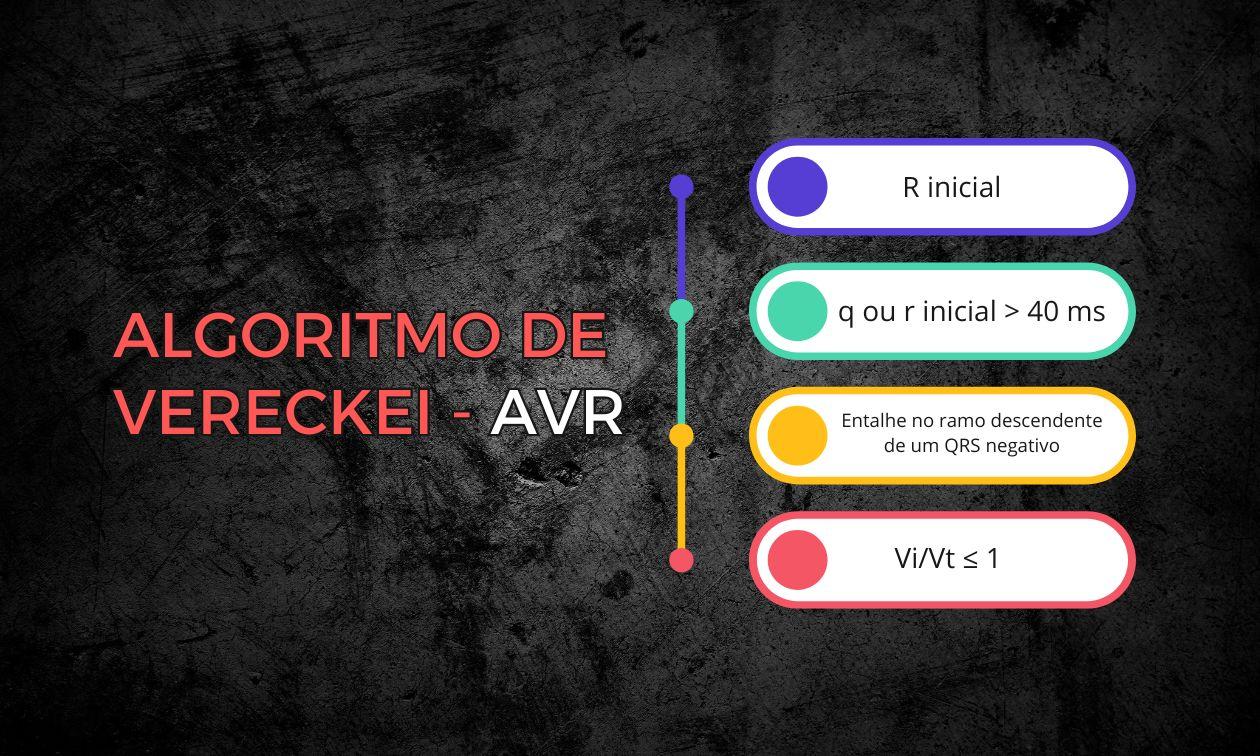

Pre-excited atrial fibrillation is one of the most dangerous situations in electrocardiography in the emergency department. It is an irregular wide-QRS tachycardia that can rapidly degenerate into ventricular fibrillation if managed inappropriately. Recognizing the pattern and knowing what to do, and above all what not to do, is decisive.
This article summarizes the practical approach based on the 2019 ESC Guidelines for supraventricular tachycardia.
Irregular wide-QRS tachycardia: the differential in seconds
When faced with an irregular tachycardia with QRS >120 ms, three diagnoses should be considered:
- Atrial fibrillation with aberrancy
- Pre-excited atrial fibrillation
- Polymorphic ventricular tachycardia
The distinction matters because treatment is completely different. Blocking the AV node in pre-excited atrial fibrillation can accelerate conduction over the accessory pathway and precipitate ventricular fibrillation.
When in doubt, treat it as pre-excited atrial fibrillation until proven otherwise.
How to recognize pre-excited atrial fibrillation on the ECG
Classic findings include:
- Irregularly irregular rhythm
- Wide QRS
- Beat-to-beat variation in QRS morphology
- Extremely short RR intervals
- Ventricular rate often >200–250 bpm
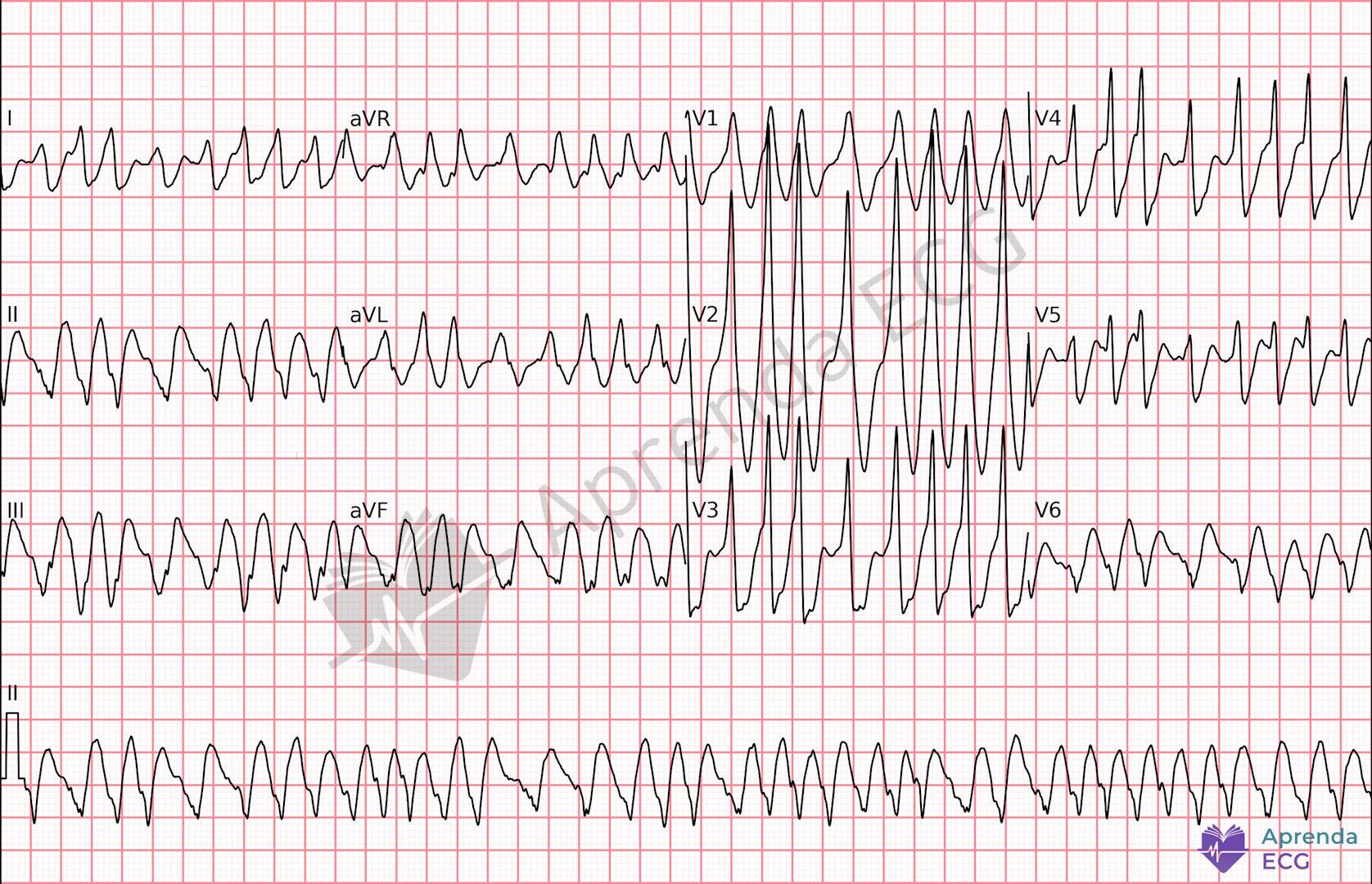
The morphological variability occurs because ventricular activation alternates between different degrees of conduction over the accessory pathway and the His-Purkinje system.
Practical alert for the shift:
Wide QRS + irregular + very fast = think accessory pathway.
If there are very short RR intervals (<250 ms), the probability of predominant conduction over the accessory pathway is high, indicating an increased risk of electrical instability.
Pathophysiology in 60 seconds
In ordinary atrial fibrillation, the AV node has a protective effect due to its decremental conduction.
In the presence of an accessory pathway, this protection disappears. The accessory pathway has no significant decremental properties. During atrial fibrillation, multiple atrial impulses can reach the ventricles at a high rate.
If the AV node is pharmacologically blocked, conduction over the accessory pathway may become dominant, further increasing the ventricular response.
The result may be degeneration into ventricular fibrillation.
That is why the therapeutic error here is not merely ineffective: it is potentially fatal.
Emergency management
The approach depends exclusively on hemodynamic stability.
Unstable patient
The usual criteria for instability (hypotension, ischemic chest pain, acute pulmonary edema, decreased level of consciousness) indicate:
- Immediate synchronized electrical cardioversion (Class I)
Cardioversion should not be delayed to attempt pharmacological treatment.
Stable patient
According to the 2019 ESC guidelines, the recommendations are:
- Intravenous ibutilide (Class IIa, level B)
- Intravenous procainamide (Class IIa, level B)
These drugs prolong the refractory period of the accessory pathway and reduce ventricular conduction.
The following may also be considered:
- Intravenous flecainide (Class IIb, level B)
- Intravenous propafenone (Class IIb, level B)
Synchronized electrical cardioversion is recommended (Class I, level B) if drug therapy fails to convert or control the tachycardia.
Important safety considerations
- Intravenous amiodarone is not recommended (Class III, level B).
- Ibutilide is contraindicated in patients with a prolonged QTc.
- Procainamide also prolongs the QTc, but less than class III agents.
- Flecainide and propafenone are contraindicated in structural heart disease or ischemic heart disease.
What is contraindicated
The following drugs should not be used, as they block the AV node alone:
- Adenosine
- Verapamil
- Diltiazem
- Beta-blockers
- Digoxin
All of them can increase conduction over the accessory pathway and precipitate ventricular fibrillation.
Practical mental algorithm for the shift
1. Irregular tachycardia?
2. Wide QRS?
3. Very high rate?
4. Variable morphology?
If yes → suspect pre-excited atrial fibrillation.
Unstable → shock.
Stable → procainamide or ibutilide.
Never block the AV node alone.
After conversion: the next step
Patients with pre-excited atrial fibrillation should undergo electrophysiological evaluation.
Catheter ablation of the accessory pathway is recommended in symptomatic patients and is the definitive treatment (Class I).
Even after successful pharmacological conversion, the risk of recurrence persists until the accessory pathway is eliminated.
Take-home message
Pre-excited atrial fibrillation is an electrical emergency.
The diagnosis is electrocardiographic.
When in doubt in the face of a very fast, irregular wide-QRS tachycardia, avoid AV nodal blockers.
References
- Brugada J, Katritsis DG, Arbelo E, et al. 2019 ESC Guidelines for the management of patients with supraventricular tachycardia. Eur Heart J. 2019;40(38):3812-3870.