Atrial fibrillation (AF) is one of the most common arrhythmias and can be classified according to the amplitude of the fibrillatory waves (f waves) into fine waves (fine AF) and coarse waves (coarse AF). Although apparently simple, this distinction may have significant implications for patient prognosis and treatment, especially regarding electrical cardioversion (ECV).
What Are Coarse and Fine Waves?
The fibrillatory waves of AF represent the disorganized electrical activity of the atria and can be measured on the electrocardiogram, specifically in lead V1. Coarse waves (coarse AF) are defined by an f-wave amplitude of 1.0 mm or more, while fine waves (fine AF) have an amplitude below 1.0 mm. According to the study by Campelo et al. (2022), this difference in amplitude is associated with patients' response to electrical cardioversion, a procedure commonly used to restore sinus rhythm in patients with persistent AF.
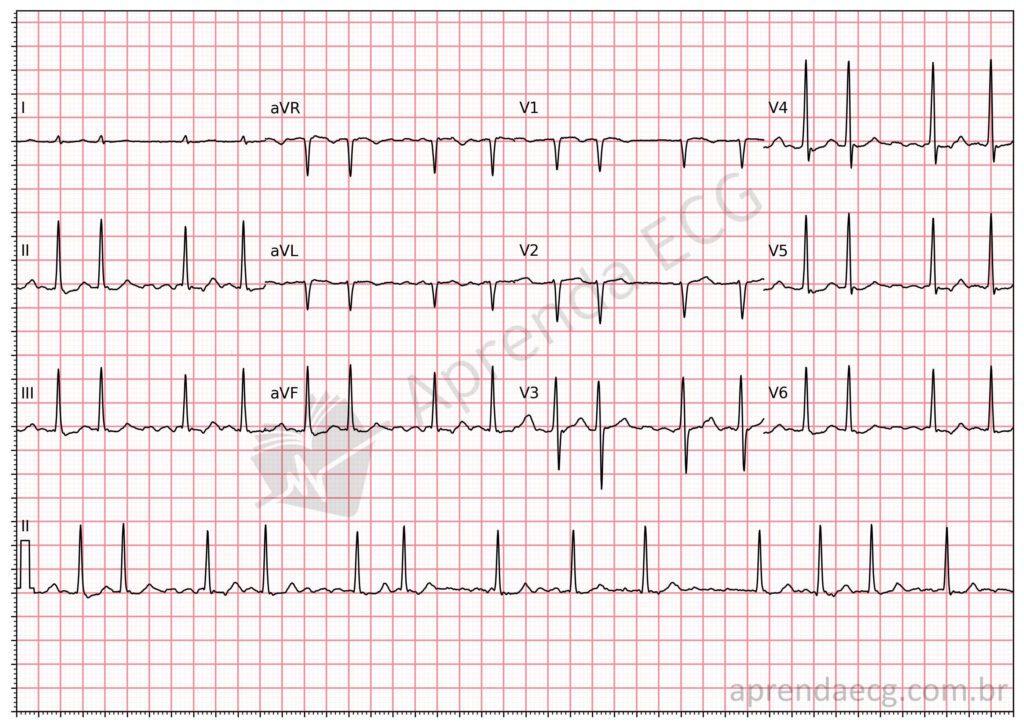
Coarse Waves and Successful Electrical Cardioversion
The study by Campelo et al. showed that patients with coarse waves had a significantly higher probability of successful conversion to sinus rhythm with ECV than patients with fine waves. Success was achieved in 94.3% of patients with coarse AF compared with 72.7% of patients with fine AF, even after adjustment for variables such as age and body mass index (BMI). In addition, patients with fine AF required more shocks and higher energy to restore sinus rhythm, suggesting that fine waves are associated with a more remodeled atrium that is more resistant to treatment.
F Waves and Thromboembolic Risk
Although f-wave amplitude is an important predictor of ECV success, no significant association was found between f-wave amplitude and clinical, echocardiographic or laboratory parameters indicating high thromboembolic risk. This suggests that, although coarse waves are associated with a higher probability of conversion to sinus rhythm, they do not necessarily indicate a lower risk of thromboembolic complications.
Why Recognizing Coarse Waves Matters
Recognizing coarse waves in AF can help physicians make better decisions about electrical cardioversion, since their presence is associated with a higher likelihood of procedural success. This is an important factor to consider in clinical practice, especially in patients with persistent AF seeking options to control the arrhythmia and improve their quality of life.
Conclusion
The amplitude of fibrillatory waves in patients with atrial fibrillation may influence the success of electrical cardioversion. Coarse waves are associated with a higher probability of restoring sinus rhythm, with fewer shocks and less energy required. Therefore, f-wave amplitude should be part of the initial evaluation of patients who are candidates for ECV. Further studies are needed to explore whether this feature also has implications for other aspects of AF management.
Want to learn more about atrial fibrillation and other cardiovascular conditions? Check out our ECG library and explore more examples.
References
- Campelo RT, Armaganijan L, Moreira DAR, Scheffer MK, Carvalho GD de, França JID. Amplitude das Ondas F como Preditor de Tromboembolismo e de Sucesso da Cardioversão Elétrica em Pacientes com Fibrilação Atrial Persistente. Arq Bras Cardiol. 2022.