

For many years, new left bundle branch block (LBBB) was treated almost as an electrocardiographic equivalent of STEMI. In practice, this meant activating the cath lab, giving fibrinolysis or performing emergency PCI based on the ECG alone.
But cardiology has evolved. And current data show that this direct association does not hold up.
In this post, we will look at why the concept of “new LBBB = infarction” fell apart, what the most recent evidence shows and how the ECG should be used more intelligently in this setting.
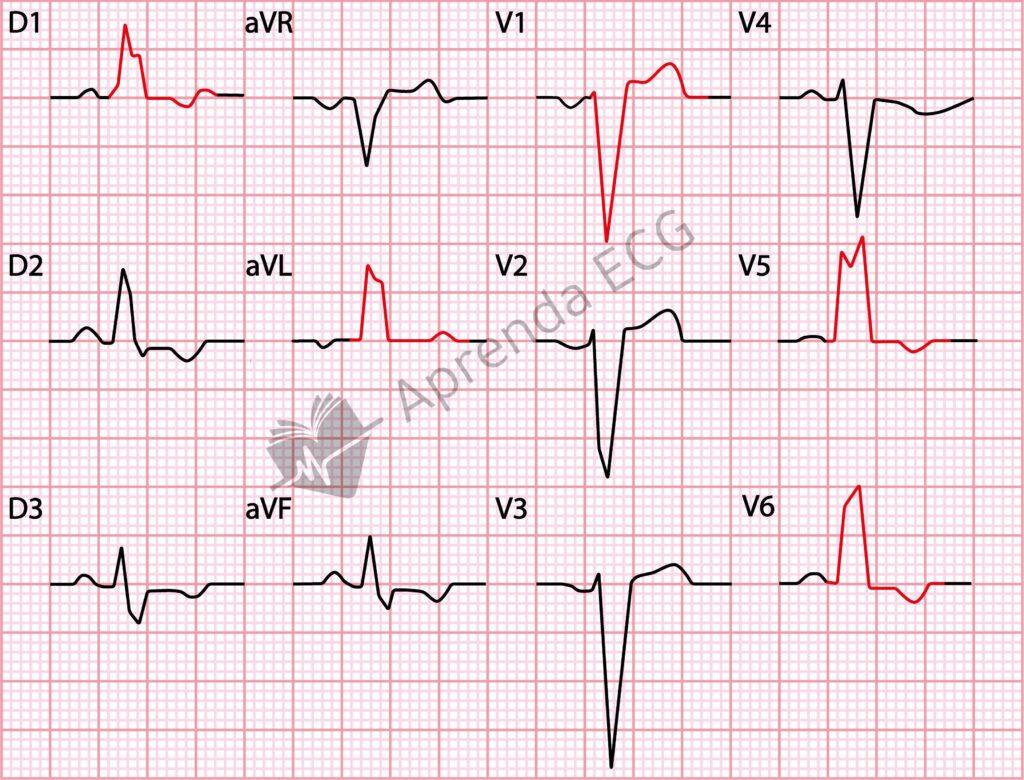
Why new LBBB has always caused so much fear
The classic reasoning was simple: LBBB distorts ventricular repolarization and can mask signs of ischemia. If we cannot clearly see ST elevation, it is better to treat every new LBBB as STEMI.
This thinking was incorporated into older guidelines, especially the 2004 ACC/AHA recommendations, which went as far as recommending immediate reperfusion for new or presumably new LBBB.
The problem is that fear is not a diagnostic criterion.
What the most recent studies show
Modern systematic reviews and meta-analyses have made one central point clear:
The chronology of LBBB, on its own, does not significantly change the probability of acute myocardial infarction.
In patients with acute coronary syndrome, distinguishing whether LBBB is new, old or of unknown chronology yields likelihood ratios close to 1; in other words, it does not help decision-making.
In practice:
- LBBB is present in about 3% of ACS presentations
- Patients with LBBB have higher in-hospital mortality, but this does not mean a higher rate of acute coronary occlusion
- Isolated LBBB does not predict occlusion MI
Looking for an old ECG to “confirm it is new” may reassure the physician, but it does not change the post-test probability.
So what really matters on the ECG with LBBB?
The focus needs to shift away from chronology and toward ischemic criteria.
In patients with LBBB and suspected ACS, the ECG should be actively examined for signs of ischemia, mainly:
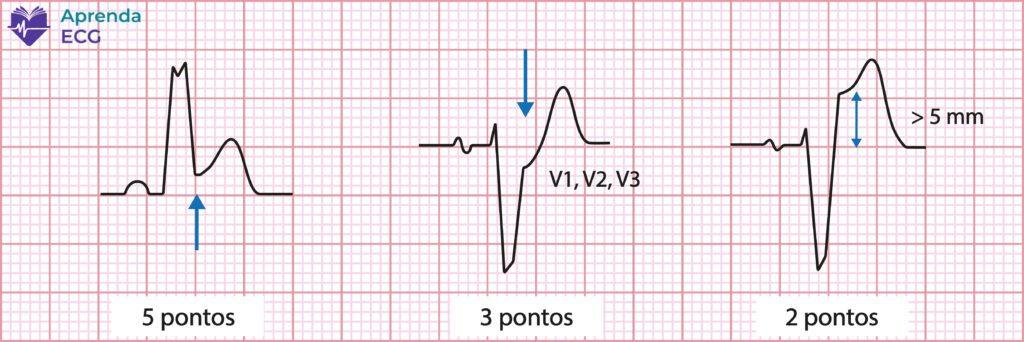
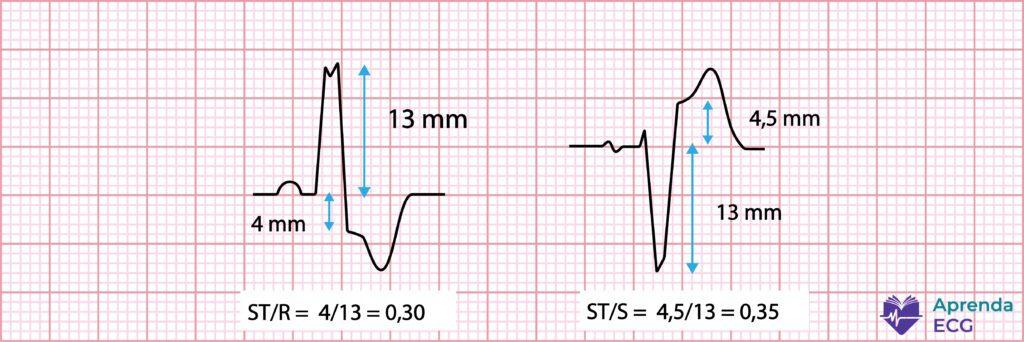
- Sgarbossa criteria
- Modified Sgarbossa criteria
These criteria have far better diagnostic performance than the concept of new LBBB, with high positive likelihood ratios for angiographically confirmed occlusion MI.
In other words: it is not the LBBB that diagnoses infarction, it is ischemia in the context of LBBB.
New LBBB is not synonymous with STEMI
Current guidelines already reflect this paradigm shift.
Today, LBBB is no longer automatically considered equivalent to STEMI. The recommendation is clear: assess the clinical picture + ECG + specific ischemic criteria.
This reduces:
- Unnecessary catheterizations
- Inappropriate use of fibrinolytics
- False diagnoses of MI
And, at the same time, it improves identification of true occlusion MIs that previously went unnoticed.
The ECG as a clinical reasoning tool
The big lesson here is simple: the ECG should not be used as an automatic trigger, but as a reasoning tool.
In a patient with LBBB and chest pain, the right question is not:
“Is this LBBB new?”
But rather:
“Are there electrocardiographic signs of active ischemia?”
Changing the question completely changes the quality of the clinical decision.
Practical conclusion
- Isolated new LBBB does not diagnose infarction
- The chronology of the block does not matter in the acute evaluation
- Ischemic criteria on the ECG are much more useful
- The ECG should be interpreted with method, context and pathophysiology
This is how the ECG stops being a source of fear and becomes a clinical ally.
References
- Alencar JN de, Wesley G, Lima F, Assad H, Carvalho R, Scheffer MK, et al. Acurácia da Cronologia do Bloqueio de Ramo Esquerdo e dos Critérios Eletrocardiográficos para o Diagnóstico de Infarto Agudo do Miocárdio : Revisão Sistemática e Metanálise. 2025;122(10):1–15.
- Byrne RA, Rossello X, Coughlan JJ, Barbato E, Berry C, Chieffo A, et al. 2023 ESC Guidelines for the management of acute coronary syndromes. Eur Heart J 2023;44(38):3720–826.