
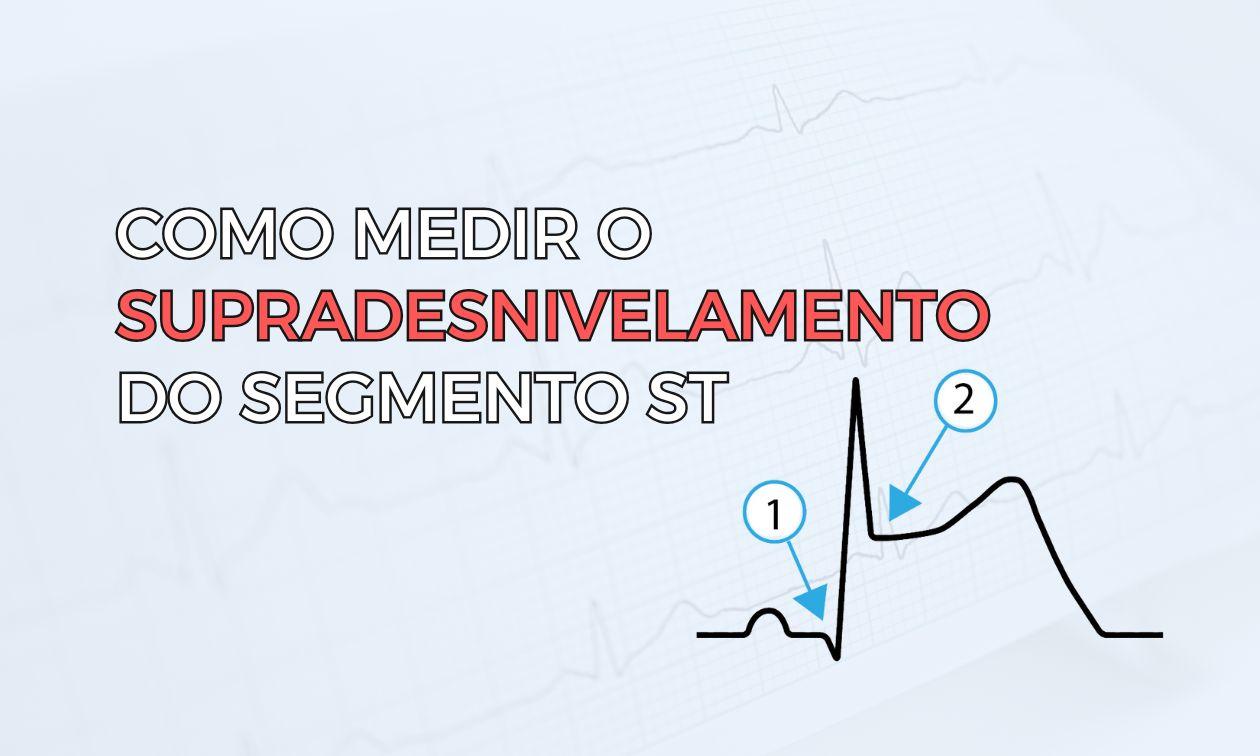
Assessment of the ST segment is essential in electrocardiogram (ECG) interpretation, especially in patients with symptoms suggestive of myocardial ischemia. ST elevation may indicate conditions such as acute myocardial infarction, which makes its correct measurement a critical step in ECG analysis.
Reference Point for Measuring the ST Segment
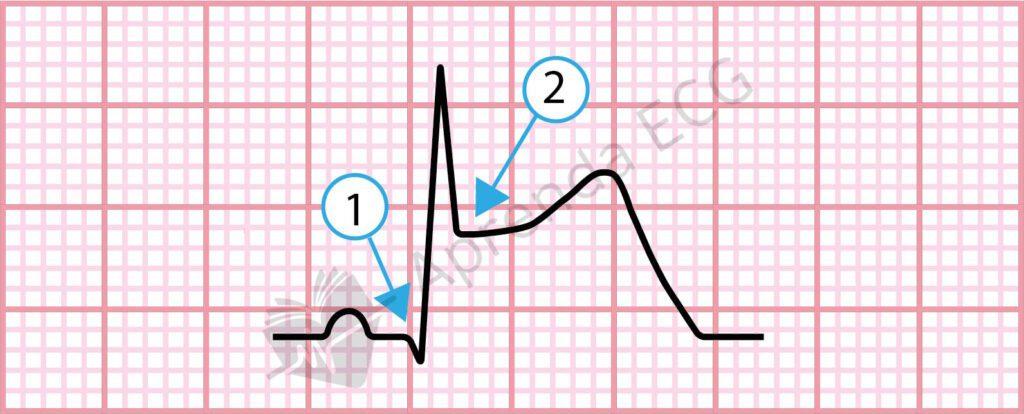
ST-segment elevation is measured at the J point, which marks the transition between the end of the QRS complex and the beginning of the ST segment. The amplitude of ST deviation is measured relative to a reference point, which may be:
- PQ junction: the most reliable point in patients with tachycardia or baseline shift.
- TP segment: used when the baseline is stable, especially in acute pericarditis.
Criteria for ST-Segment Elevation
For ST elevation to be considered significant and suggestive of ischemia, it must be present in at least two contiguous leads. Cutoff values vary according to the lead and patient characteristics:
- Leads V2 and V3:
- Men aged 40 years or older: ST elevation ≥ 2 mm.
- Men younger than 40 years: ST elevation ≥ 2.5 mm.
- Women (regardless of age): ST elevation ≥ 1.5 mm.
- Other leads (except V2 and V3):
- ST elevation ≥ 1 mm is considered abnormal, regardless of sex or age.
Why ST Assessment Matters
Correct identification of ST elevation is essential for recognizing occlusion myocardial infarction. Interpretation should always take place within the patient's clinical context, considering history, symptoms and risk factors.